Partner Orientation vs Objective Orientation
You have a free day to get out in the mountains, and you’re fired up. What do you choose first, your partner, or your objective? Maybe it’s something you do without conscious thought. Perhaps you have tick lists of climbs. Or even a tick list of humans.
Taken to the extreme, Partner Orientation is focusing on who you’re spending time with, regardless of your level of interest in what you’re actually doing.
At the other extreme, Objective Orientation is deciding what you want to do first and then finding someone who will come along for the ride. Ideally it’s someone you want to spend time with, but potentially it’s any warm body willing to tie into the other end of the rope.
Usually you’re not fully at one extreme or the other, but it is a balancing act. You shouldn’t abandon your friends because their current interests no longer align with yours. But, you also shouldn’t abandon your dreams because your existing friends don’t share them with you.
Sometimes things naturally align. You can land in a place where you’re choosing partners first, but only because you’ve already curated that group of people to be the ones who share your objectives.
I think this is a valuable conceptual model. It’s useful for contemplating your intentions and decisions. The rest of this post will explore four different dynamics that can result from intense Objective Orientation. At the end of each section, we’ll talk about how you can try to find balance without compromising your ambitions.
Objective Orientation is the Casual Hookup of Mountain Play
I’ve been hesitating to make this analogy, but excessive Objective Orientation makes your relationships with your climbing partners into casual hookups. You’re both there out of convenience, and while you enjoy the experience, it isn’t necessarily building to anything more. Eventually you part ways, and there isn’t a real relationship to keep alive.
Sometimes one partner wanted more. Your objectives aligned for a while, but perhaps one person was more Partner Oriented and thought it would last forever. The other moves on, as their objectives fall out of alignment with yours. There can be a very real sense of hurt here.
Finding Balance
There isn’t anything fundamentally wrong with this arrangement, just like there isn’t anything fundamentally wrong with casual hookups. But both can leave people feeling hollow or rejected.
How many climbing partners do you have that you don’t see outside of climbing? We can form strong trauma bonds when we face adversity in the mountains together. But, making a point of actually spending time together in town, outside of climbing, can help build lasting relationships. Bonus points if you manage to spend time together talking about your actual lives, not just your next climbing trip.
Power Dynamics
There can be very real power dynamics in our belay-tionships, too. When one partner is focused on objectives, getting out with them can be contingent on it being their chosen mission. This isn’t inherently wrong, it can just be two people openly discussing what they’re interested in and willing to do. However, a weaker or less gregarious partner can find themselves in a position where they don’t have a lot of options. They might be somewhat compelled to bend to your will and support you, even if it isn’t really what they’d like to be doing.
This can often come up in mentor-mentee relationships. One person is implicitly or explicitly the more experienced one, and in effect the mentee pays for the privilege of mentorship by going along with what the mentor wants to do.
Finding Balance
Honesty is very important in this situation. It isn’t a great vibe, but you can explicitly tell someone that you’re willing to get out with them, but only if it’s the thing you want to do. If the communication is open and honest, no one is being deceived or manipulated. On the other hand, ghosting or flaking on someone when they suggest something you’re not keen on is toxic.
Try to give back. Ask what your partner wants to get out of the day, and find a goal that satisfies both of your needs. Maybe you can find a route that has a mix of terrain, so you both get some leads in at different difficulties. Or you make a point of teaching and practicing a specific skill. Perhaps you make it a social day and go as a party of three, so that your partner has someone to hang out with while you vision quest on the sharp end.
If you’re in a position of power, appreciate that your friend might get more out of a day that isn’t your first choice. Just because you have the power, doesn’t mean you have to exert it.
Striving for Performance
There are valid reasons for Objective Orientation. If we want to realize our full potential as athletes, we need to train hard. An objective we’re not stoked on isn’t just uninteresting, it’s actively making us weaker. Or at least not making us stronger.
You have a limited amount of free time and days off, and damn it, you’re going to make them count. Each day you’ll be stronger than the last. A little closer to sending your project. If you waste them, you’re going to be a cranky person.
If you are belligerently performance focused, so be it. This too isn’t inherently wrong. But it can come at a cost to the rest of your life.
Finding Balance
As above, be honest with others about it. It’s okay to tell someone you don’t want to do anything but your project, because you’re so close to sending.
But also, be honest with yourself, and take a close look at your motives. Motivation is a whole topic in its own right (and will be another post), and I think we generally don’t spend enough time reflecting about it.
Remember that all of this is fundamentally pointless, and no one outside of our little circles cares. Consciously make the decision about how important performance is compared to the parts of your life that it competes against.
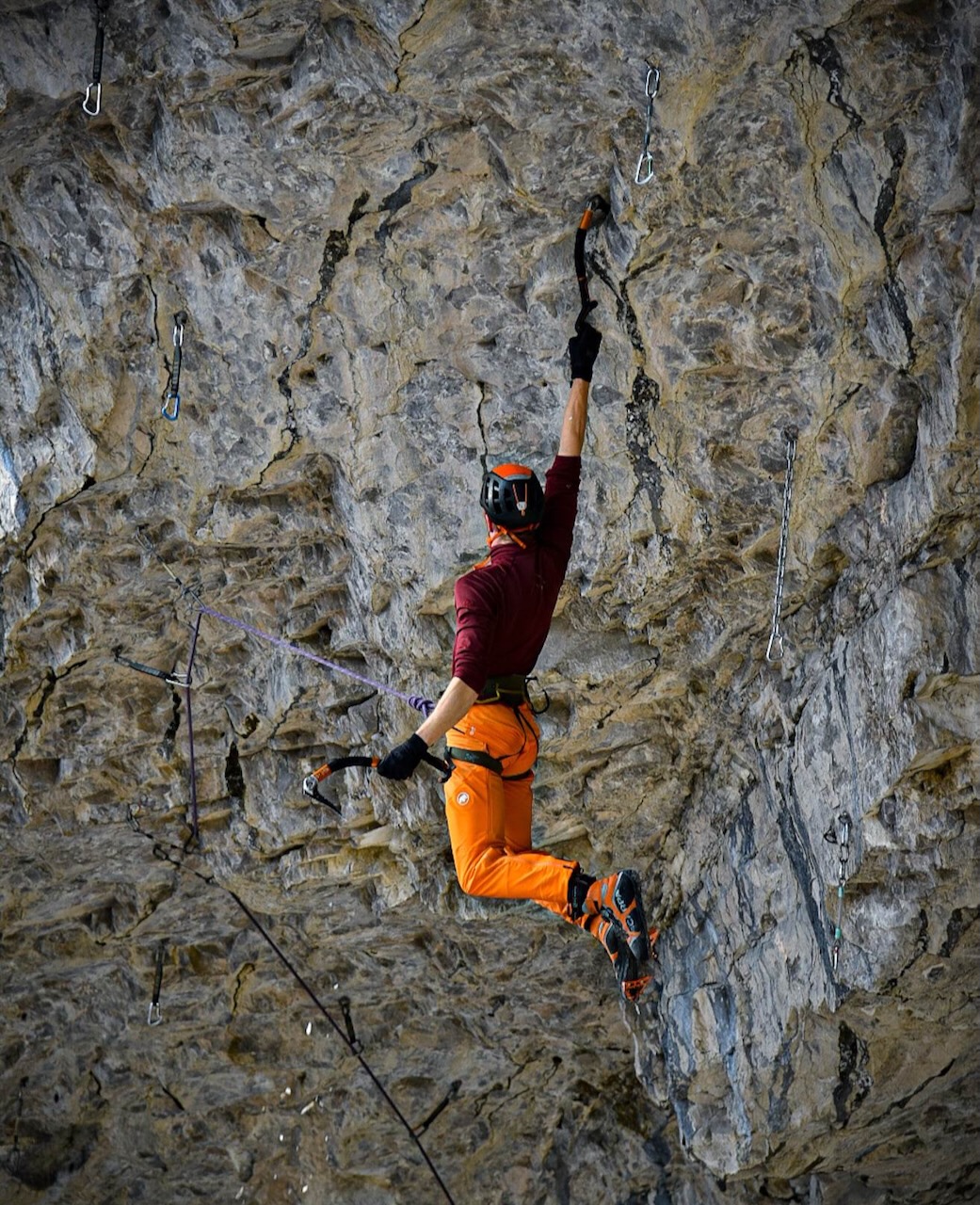
Striving for Accomplishment
Even if we’re not focused on maximizing performance per-say, we can strive for accomplishment in our objectives.
There is something satisfying both in the moment and in the long term about ticking objectives off a list. Repeating a route or doing something ‘boring’ doesn’t provide the same satisfaction as a unique route, a new summit, or a completed test piece.
First ascents have a strong allure. They can be wild, memorable experiences. But also, people will see them and respect us. They’ll think we’re cool. Maybe brands will notice and give us gear.
It’s a more subtle form of Objective Orientation than striving for performance, but still very real.
Finding Balance
I’ve fallen into this trap for a long time. What I’ve found lately is that with some intentional choices, I can have most of the same results with a lot less compromises elsewhere in life.
Evening training sessions can still yield high performance, without requiring days out projecting. A smaller collection of higher quality days out can produce great accomplishments and memories without consuming your whole schedule. Not every day out needs to be a life altering experience, a solid handful of special days still makes for a season worth cherishing.
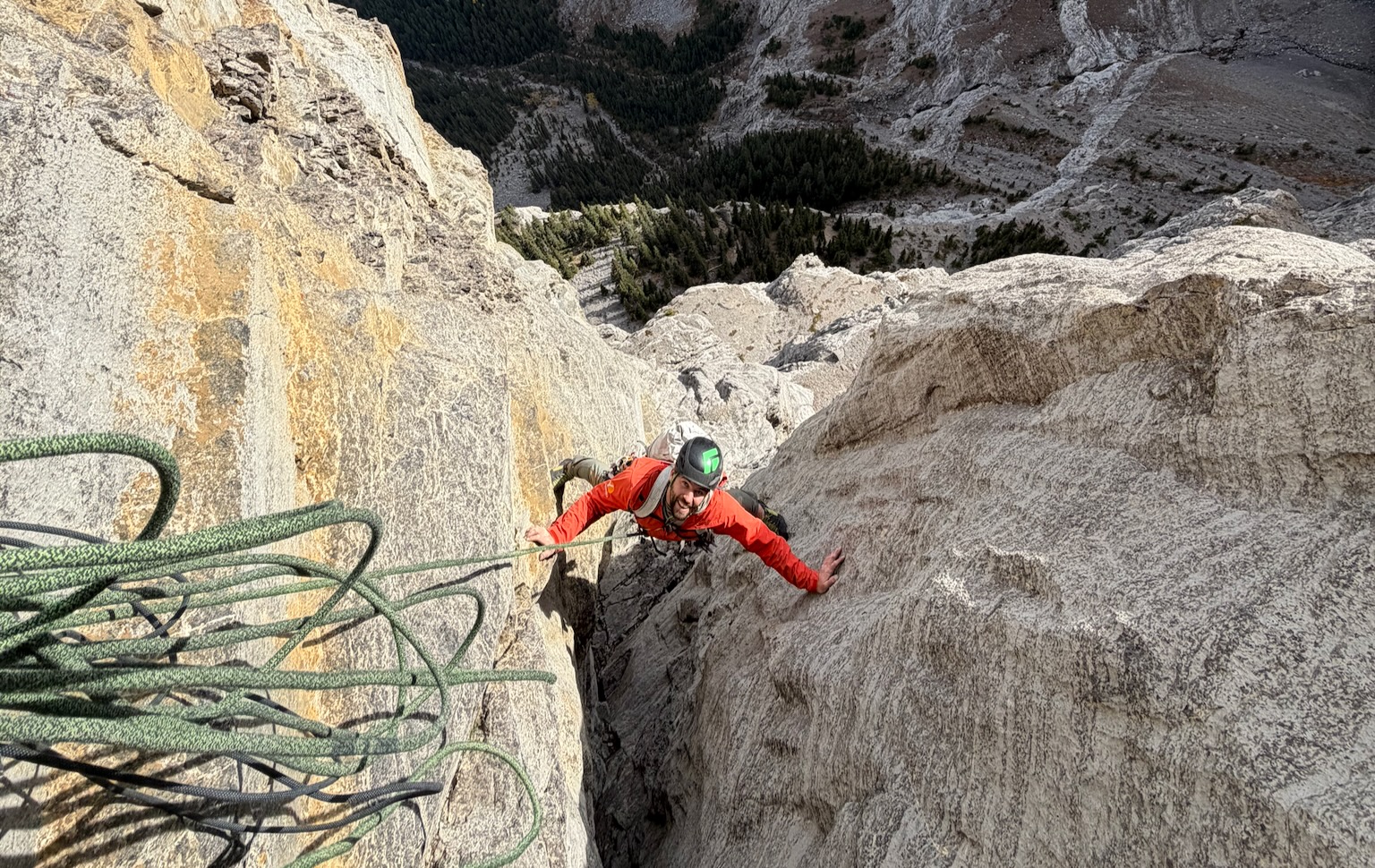
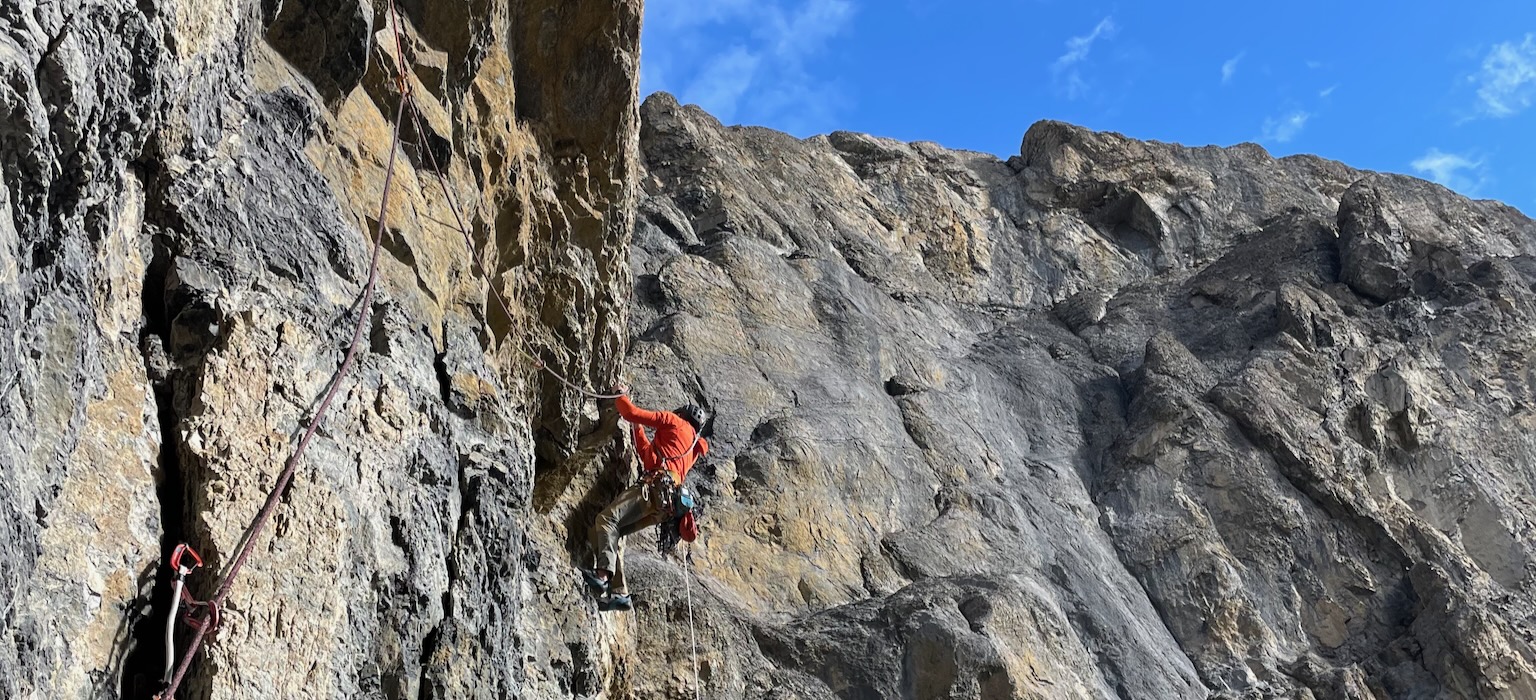
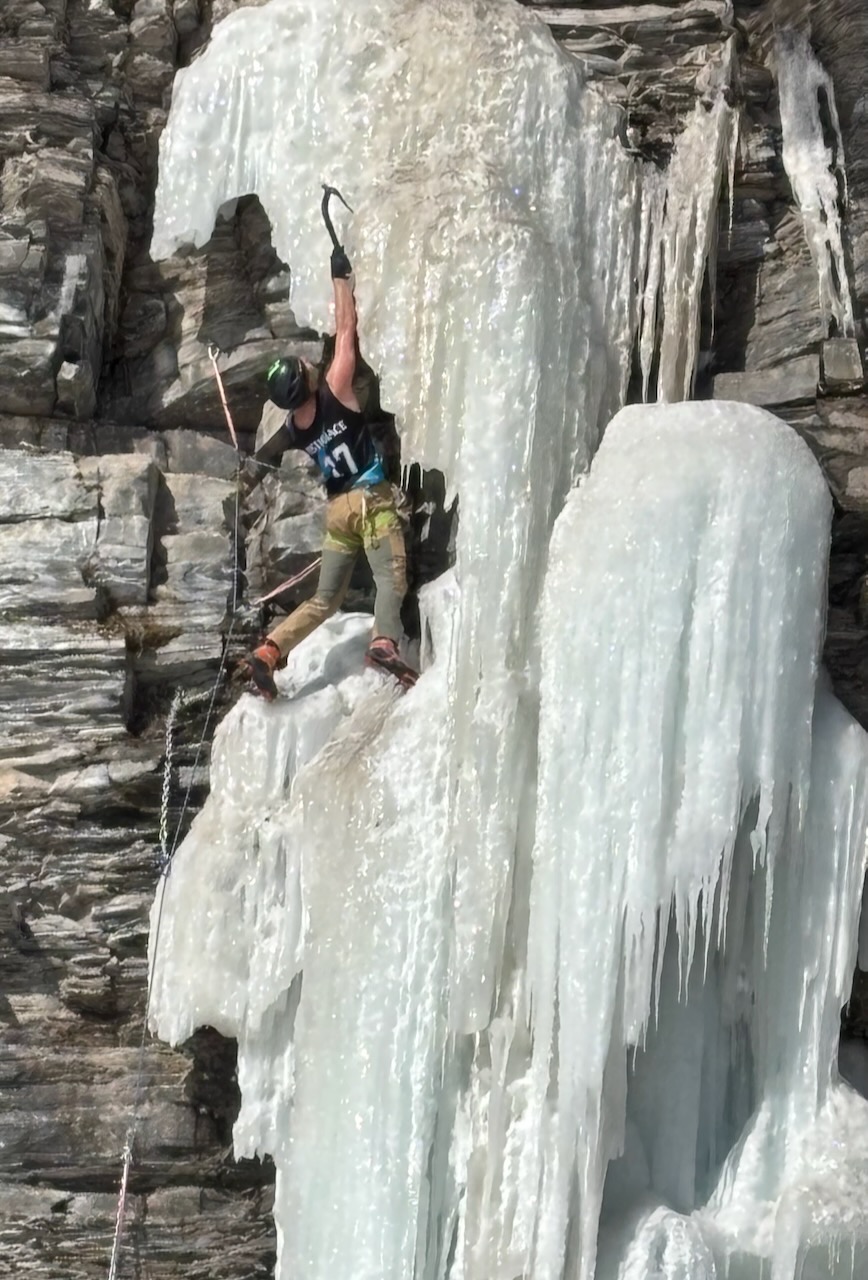
My most recent winter and summer seasons really drove this home for me. I didn’t actually get out climbing that many days. But, last summer I eked out five memorable FA’s with five different partners. Then in winter I enjoyed the hell out of repeating some classics with friends, and finished up a few ongoing projects. Those shared experiences are more valuable to me than a season’s worth of cookie-cutter crag projects.
Final Thoughts
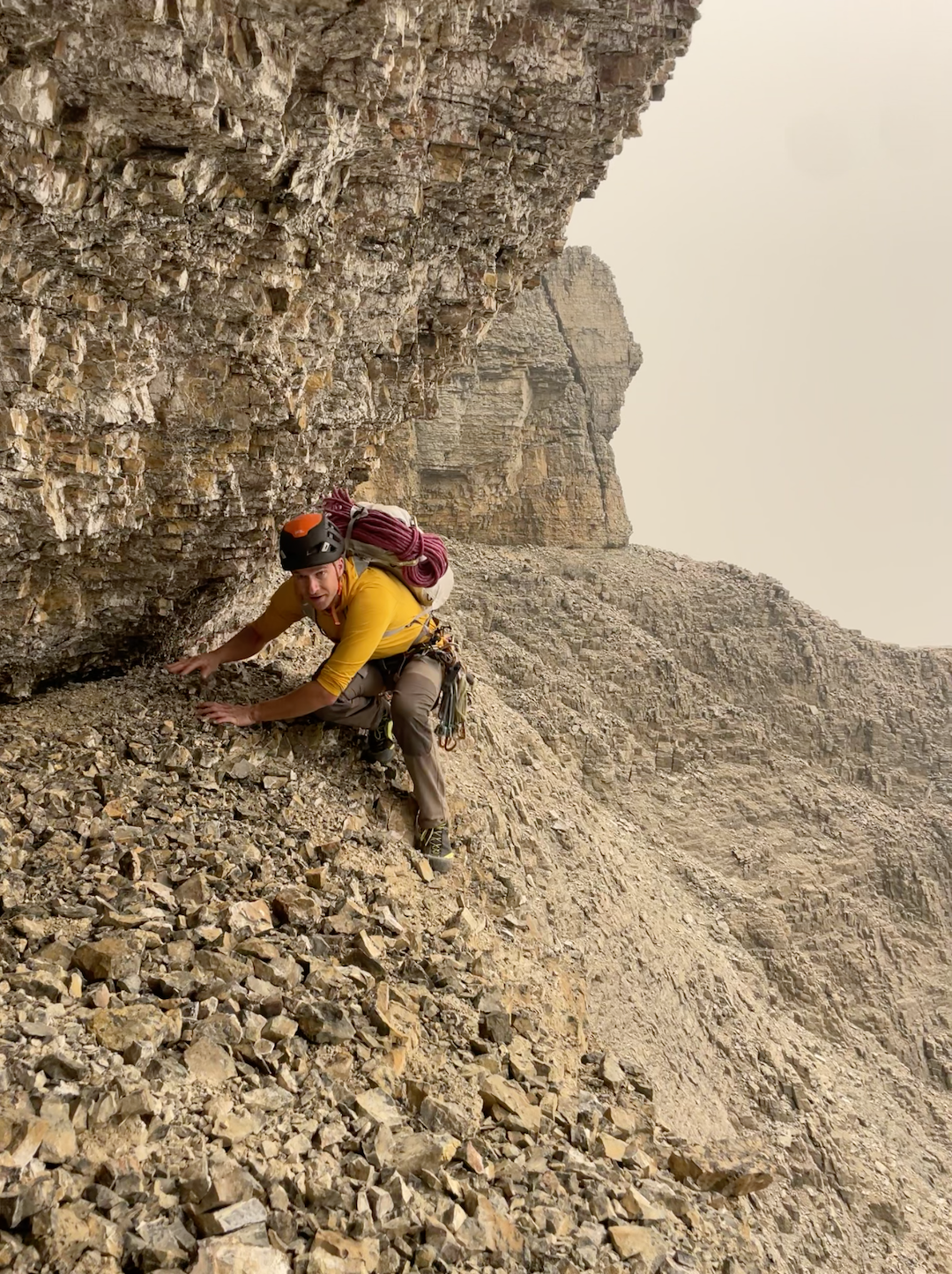
Don’t lose sight of the joy of just being out in the mountains. It’s important to be able to value a day where you don’t get stronger, don’t tick something noteworthy, don’t end up with something to spray about on Instagram. Strength, ticks, recognition, these things are all fleeting in the longer term. Relationships and intrinsic enjoyment are the things that last. They’re sustainable in a way that the treadmill of acheivement is not.
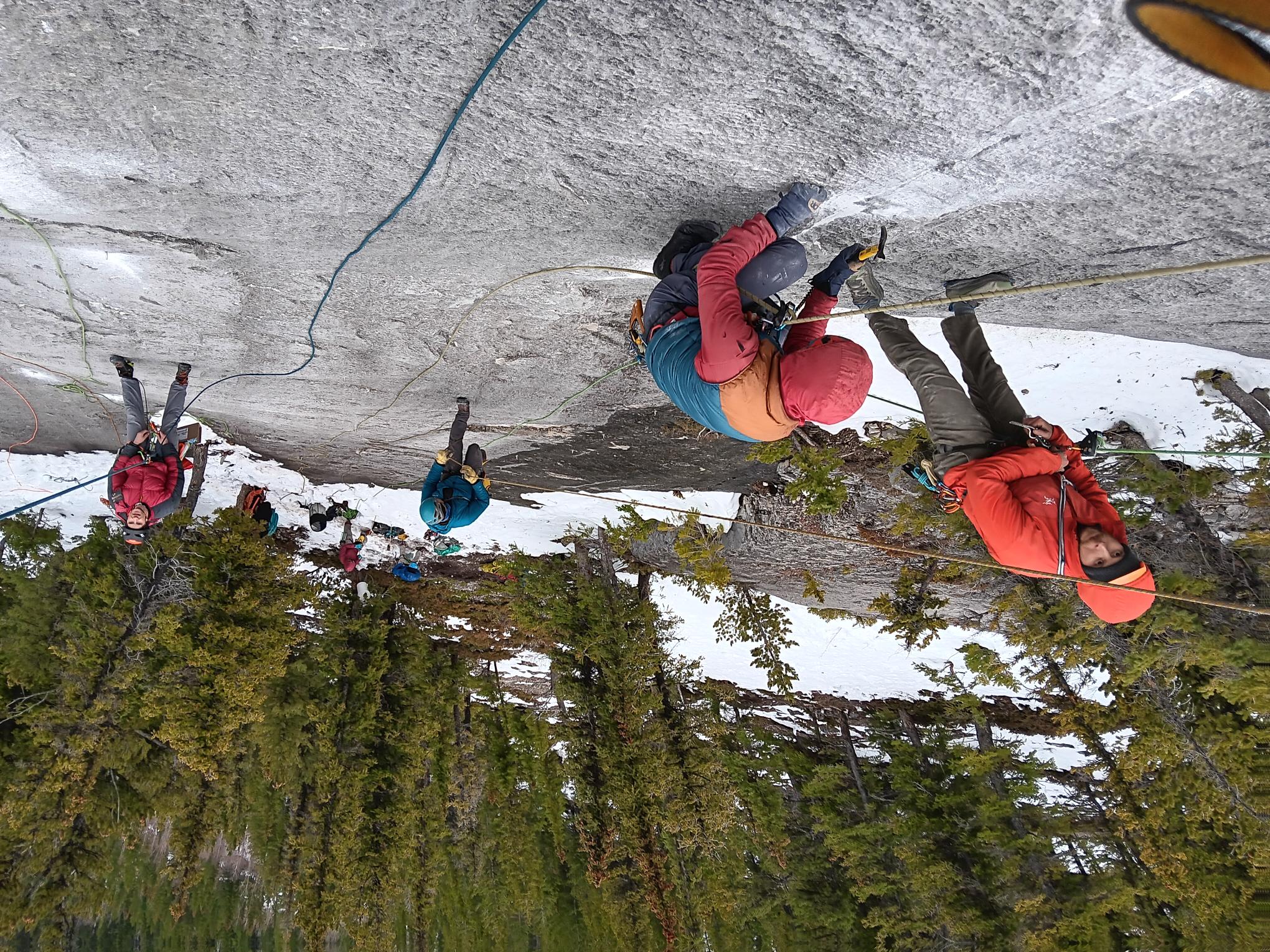
Find joy in the stoke of others. It can be just as rewarding to help someone else achieve their objective, or to teach a skill that may be second nature to you now. In recent years, working as an ACMG guide and volunteer through TABVAR has brought this to the forefront in my life.
This all may come off as preachy or judgemental, but understand that the person I am preaching to and judging is myself. These are all traps I have fallen in, and continue to fall into, and my takeaways are lessons I’m still trying to fully embrace myself.